
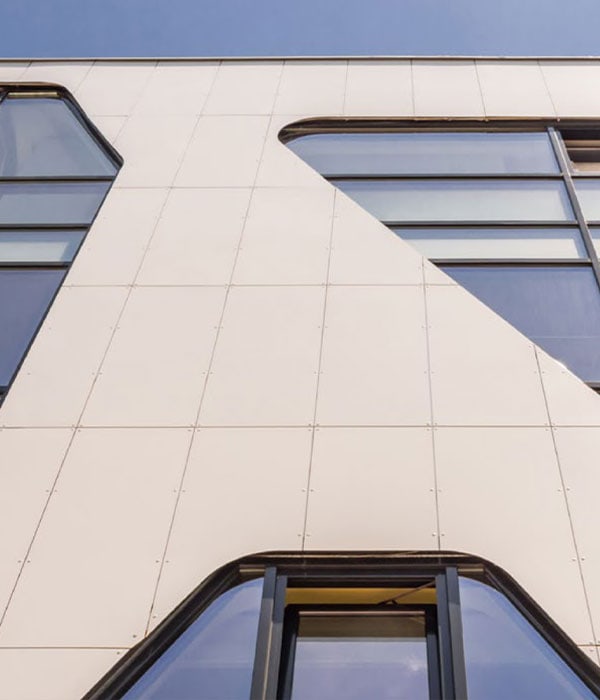
Facade laminate is a popular surface material that offers a durable and aesthetic solution for building exteriors. Although laminate is known for its longevity and low maintenance requirements, regular care ensures its optimal functionality and appearance are preserved for decades. Proper maintenance significantly extends the lifespan of facade laminate and maintains its original beauty.
In this article, we will go through everything you need to know about facade laminate maintenance. You will get practical instructions for cleaning, maintenance schedules, and identifying potential problems.
What is facade laminate and why does it need maintenance?
Facade laminate is a high-pressure surface material composed of several layers of paper fibers and phenolic or melamine resin. It is a highly durable material that withstands UV radiation, moisture, and temperature fluctuations better than many others. Public facade materials and surface solutions.
Maintenance is necessary because the facade laminate is constantly exposed to weather conditions, dust, dirt, and air pollution. Although the material is naturally durable, regular cleaning and inspection prevent dirt buildup and the worsening of potential damage. Proper maintenance preserves the laminate's original color and surface quality, as well as ensures its protective properties.
How often should facade laminate be maintained?
Facade laminate should be inspected at least twice a year and cleaned as needed, usually 1-2 times a year depending on environmental conditions. In urban or industrial areas, cleaning may need to be done more often due to air pollution.
Spring and fall inspections are ideal times as they allow for an assessment of the stresses caused by winter and summer. The spring inspection focuses on post-winter condition and potential damage caused by freeze-thaw cycles. The fall inspection prepares for winter and removes leaves and other organic matter that could cause problems.
In special conditions, such as near the sea due to salty air or along busy roads, maintenance intervals may be shorter. It is also good to perform an additional inspection after extreme weather phenomena, such as severe storms.
How to properly clean facade laminate
The facade laminate is cleaned with a mild soap solution and a soft brush or cloth. Always start cleaning from top to bottom and rinse the surfaces with plenty of water. Avoid abrasive cleaners and hard tools that can damage the surface structure.
The cleaning process proceeds as follows: First, remove loose dirt and debris with a soft brush. Mix a mild dish soap with warm water and wash the surface with light circular motions. Pay special attention to seams and corners where dirt easily accumulates. Rinse the surface thoroughly with clean water and allow it to air dry.
For tougher stains, you can use a slightly stronger soap solution, but always test it in an inconspicuous spot first. Oil-based stains can be treated with a mild degreaser, but avoid solvents and acidic substances that can permanently damage the laminate surface.
What problems can arise with facade laminates?
The most common problems with facade laminates are surface fading, cracks, detachment from fastening points, and moisture damage at the seams. These problems are usually caused by aging, installation errors, or inadequate maintenance, and they require prompt action to prevent more extensive damage.
Surface fading is a natural sign of aging caused by prolonged exposure to UV radiation. Although high-quality facade laminate is UV-resistant, colors can slightly change over time. Cracks can occur due to temperature fluctuations or mechanical stress, and they must be repaired quickly to prevent moisture from entering the structures.
Detachment from mounting points can be caused by faulty installation or corrosion of fasteners. Moisture damage in seams is a serious problem that can lead to mold and rot damage in the underlying structures. These always require professional assessment and repair.
Can facade laminate maintenance be done by yourself or is a professional needed?
Maintenance, such as cleaning and visual inspection, can be done by oneself, but repairs and more thorough inspections generally require professional expertise. DIY maintenance is best suited for low-rise buildings that can be safely accessed with a ladder.
You can handle regular cleaning, spot stain removal, and general visual inspections yourself. Pay attention to any cracks, detachments, or discoloration, and document your observations with photos. Also, inspect the sealant joints and the condition of the fasteners.
A professional is needed for repair work, high-altitude work, resealing, and structural problem assessment. The professional has the right tools, safety equipment, and expertise to identify more serious problems that may require extensive repairs. In uncertain situations, it is always safer to consult an expert.
If you notice any problems with your facade laminate or need advice on material choices, contact us. We will help you find the best solutions for your project and offer expert support in selecting high-quality surface materials.