
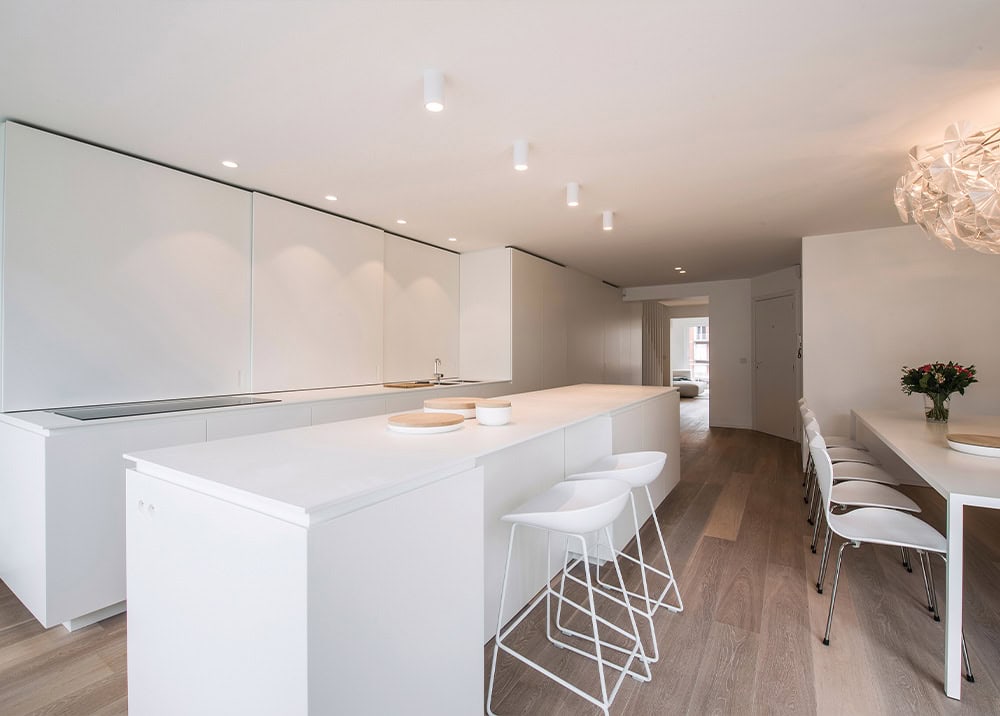
Composite materials have earned their place in modern construction and interior design thanks to their versatility and durability. When choosing composite boards for your projects, moisture resistance often becomes a key concern. Especially in wet rooms and humid conditions, the material's performance determines its suitability and longevity.
By understanding the properties of composite materials in humid conditions, you can make better material choices and ensure the success of your project. In this article, we will cover the key questions that arise when evaluating the moisture resistance of composite materials.
What happens when composite materials encounter moisture?
Composite materials react to moisture in different ways depending on their composition and manufacturing method. High-quality composite boards, such as KERROCK composite panels, is designed to withstand moisture without structural changes or damage. The material's dense structure prevents moisture absorption.
When moisture meets a composite surface, it remains on the material's surface and does not absorb into it. This characteristic makes composite materials an excellent choice for wet areas. However, low-quality composites can swell, crack, or become brittle on their surface if their composition has not been optimized for moisture resistance.
The composite board retains its shape and strength even during prolonged exposure to moisture, provided it is manufactured with the correct technique. The material's thermal expansion remains controlled, and moisture does not cause harmful chemical reactions within the material.
How long do composite materials last in humid conditions?
High-quality composite materials can withstand moist conditions for decades without significant deterioration. KERROCK composite panels have been tested to withstand continuous moisture stress for over 20 years, maintaining their original properties. However, the material's lifespan depends on the quality of installation and the operating conditions.
In wet areas, the lifespan of a composite board is determined by several factors. Temperature fluctuations, exposure to chemicals, and mechanical stress all affect the material's longevity. A properly installed and maintained composite surface can retain its functionality and appearance for up to 25–30 years.
In industrial environments with constant humidity, composite materials show excellent durability compared to traditional materials. Their low maintenance needs and long lifespan make them an economically viable choice in the long run.
What composite materials are best suited for damp environments?
Completely sealed composite sheets made of acrylic or polyester resins are best suited for wet areas. KERROCK composite sheets represent top products in this category due to their excellent moisture resistance. These materials do not absorb moisture and do not provide a breeding ground for bacteria or mold.
Composites with a uniform and seamless surface are recommended for bathrooms and kitchens. This prevents moisture leaks and facilitates cleaning. Composite panels can be shaped and worked to form completely watertight structures without seams.
In industrial wet areas, it is advisable to choose chemical-resistant composite materials. These materials withstand both moisture and cleaning agents, making them ideal for the food industry, laboratories, and hospitals. Composites with the Wet Room Board classification meet the strictest moisture resistance requirements.
How to protect composite materials from moisture?
The protection of composite materials from moisture starts with proper installation and sealing of joints. Although high-quality composite boards are inherently moisture-resistant, careful installation ensures optimal performance. All cut edges and perforations must be properly sealed.
Regular cleaning and maintenance extend the lifespan of composite surfaces in humid conditions. Keeping the surface clean prevents the accumulation of dirt and moisture, which could cause problems over time. Use pH-neutral cleaning agents that do not damage the material's surface.
Ventilation is an important factor in the protection of composite materials. Adequate air circulation reduces moisture condensation on surfaces and keeps the surrounding air humidity under control. This is especially important in wet rooms and basements.
How to identify moisture damage in composite materials?
Moisture damage in composite materials usually manifests as surface discoloration, cracks, or delamination from the substrate. However, high-quality composite panels generally do not suffer from moisture damage; problems are often related to incorrect installation or poor-quality materials. The first signs usually appear at the joints.
Surface blistering or waviness indicates moisture ingress into or under the material. This is a serious sign that requires immediate action. Mold formation at joints or edges indicates inadequate sealing or material damage.
Odor problems can also indicate moisture damage. If a composite surface begins to produce an unpleasant smell, it may signal the growth of bacteria or mold within or beneath the material. Regular inspection helps detect problems at an early stage.
If you notice signs of moisture damage in composite materials, it is advisable to contact industry professionals for an assessment and repair recommendations. Proper material selection and expert installation can prevent moisture problems from the outset. Contact us And discuss your project requirements with us.