
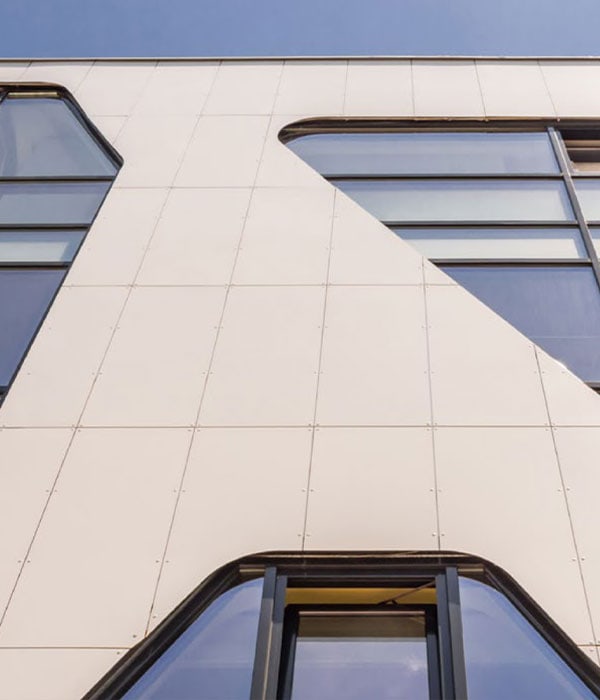
Laminates are popular surface materials for both interior and exterior spaces, but not all laminates are the same. Facade laminate and regular laminate differ significantly in their construction, durability, and intended use.
By choosing the right type of laminate for your project, you ensure that the material will withstand the conditions of use and retain its appearance for years to come. Let's take a closer look at the differences between these two material types and when each is best suited for its intended use.
What is facade laminate and how does it differ from regular laminate?
Facade laminate is a high-pressure laminate specifically designed for outdoor use, offering better resistance to weather conditions and UV radiation than standard laminate. Standard laminate, on the other hand, is primarily an interior surface material and is not suitable for outdoor conditions.
The main difference between these materials lies in their structure and manufacturing method. Facade laminate is made from special resins and additives that make it particularly resistant to moisture, temperature fluctuations, and sunlight. Regular laminate primarily meets interior requirements, such as wear resistance and ease of maintenance.
The thickness of facade laminate is typically greater than that of standard laminate, which increases its mechanical resistance. Additionally, the surface treatment of facade laminate is designed to repel dirt and prevent color fading, even with prolonged exposure to sunlight.
What are the technical differences between facade laminate and standard laminate?
Technically, facade laminate contains special resins and UV protectors that are not present in regular laminate. Regular laminate primarily consists of phenol and melamine resin, whereas facade laminate also includes acrylate-based components.
The thickness of facade laminate is generally 0.9–1.5 millimeters, while standard laminate is typically 0.6–1.0 millimeters. This difference in thickness directly affects the material's durability and installation possibilities.
Heat resistance is another significant difference. Facade laminate can withstand temperature fluctuations from -40 °C to +80 °C, while the operating temperature range for regular laminate is considerably narrower. Moisture resistance is also better with facade laminate: it can tolerate continuous moisture without swelling or the risk of delamination.
Color fastness clearly distinguishes materials from each other. The colors of facade laminate are stabilized against UV radiation, which means they retain their original shade for many years longer than the colors of ordinary laminate.
When should you choose facade laminate instead of regular laminate?
Facade laminate is a better choice whenever the material is exposed to outdoor conditions, moisture, or strong sunlight. Standard laminate is sufficient for interior applications where conditions remain stable.
In outdoor spaces, facade laminate is the only sensible option. Such applications include facade cladding, outdoor terrace furniture, outdoor kitchens, and other surfaces exposed to the weather. Ordinary laminate will not last long in these conditions.
For indoor use, facade laminate is recommended for wet rooms such as bathrooms and saunas, where humidity is constantly high. Surfaces near windows also benefit from the UV resistance of facade laminate.
In high-traffic areas, such as public buildings and restaurant and hotel spaces, the superior mechanical durability of facade laminate makes it a more cost-effective choice in the long run, despite its higher initial purchase price.
How do the prices of facade laminate and regular laminate differ?
Facade laminate typically costs 30–50 % more than standard laminate due to the costs associated with specialized materials and a more complex manufacturing process. The price of standard laminate starts at around 20–40 euros per square meter, while exterior laminate costs 30–70 euros per square meter.
The price difference is explained by the special properties of the facade laminate. UV protection agents, weather-resistant resins, and a thicker structure significantly increase manufacturing costs. Additionally, the production volumes of facade laminates are smaller than those of standard laminates, which affects the unit price.
However, in the long run, the higher price of facade laminate can be economically sensible. Its longer lifespan and lower maintenance needs compensate for the initial investment, especially in demanding conditions.
Installation costs are similar for both materials, but better durability of the facade laminate reduce the need for renovation and repair work in the coming years.
Material selection significantly impacts the overall project costs. We have experience with the suitability of both laminate types for various projects and will help you find the perfect solution for your needs. Explore our laminate selection and get in touch our experts, we can discuss your project and find the best material for your budget.