
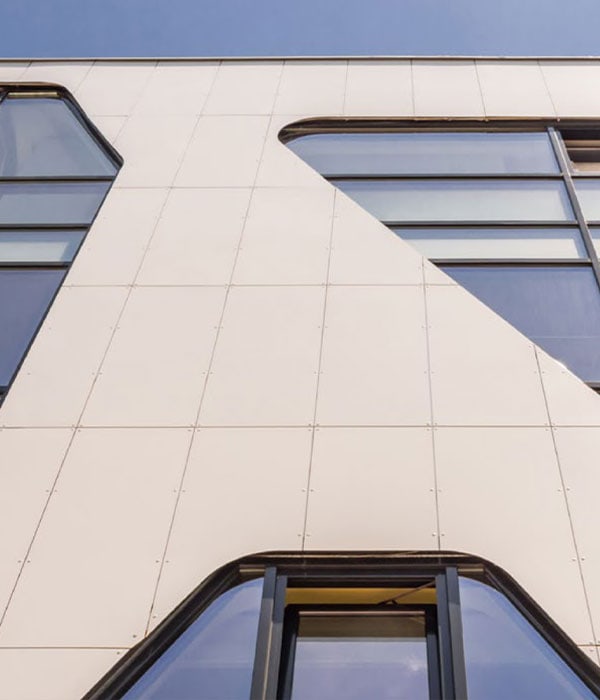
The material choices for building exteriors significantly impact both the building's appearance and its long-term durability. Facade laminates have become a popular option for architects and construction companies seeking a combination of durability, versatility, and aesthetic appeal.
Laminate facades offer a modern solution alongside traditional facade materials. They are suitable for both new construction and renovation projects, and their technical development has made them an even more reliable choice for demanding conditions.
What are facade laminates and why are they popular
Facade laminate is a high-pressure decorative surface material composed of multiple layers. The base material consists of paper sheets impregnated with phenolic resins, onto which a decorative surface layer and a protective overlay film are added. The entire structure is pressed under high pressure and temperature, creating a very hard and durable surface.
HPL (High Pressure Laminate) facades have gained popularity, particularly due to their versatility. A single material allows for numerous different looks and textures, giving designers the freedom to realize bold architectural visions. Furthermore, laminate-based facade materials have proven to be practical in terms of maintenance.
Technical properties and durability of facade laminates
Facade panels are exceptionally resistant to a wide range of weather conditions. UV radiation, humidity, temperature fluctuations, and freezing do not significantly affect the material's structure or appearance. This is due to the laminate's dense structure and coatings developed for outdoor use.
Mechanical durability is another strength. Laminate cladding withstands impacts, scratches, and wear better than many traditional facade materials. The material also does not absorb moisture, which reduces the risk of mold and rot. Fire resistance is also good, as laminates are often classified as difficult-to-ignite materials.
Maintenance and upkeep
In practical terms, maintaining facade laminates is simple. Regular cleaning with water and a mild detergent is sufficient to keep the surface looking neat. The material does not require painting, oiling, or other regular surface treatments, which significantly reduces long-term maintenance costs.
Design possibilities and aesthetic versatility
The design possibilities for laminate flooring are nearly limitless. Manufacturers offer hundreds of different colors, patterns, and surface textures. From wood grain patterns to metallic surfaces and stone imitations to abstract designs – The product range offers a solution to every architectural style.
Surface structures further enhance the possibilities. Smooth, matte, or glossy surfaces can be combined with embossed textures that mimic natural materials or create entirely new visual effects. This versatility makes facade laminates a particularly interesting choice in modern construction.
Color options and trends
The popularity of dark shades has grown in recent years, and laminate manufacturers have responded to this need. At the same time, demand for natural colours and textures remains strong. The popularity of metallic finishes and concrete imitations reflects trends in modern architecture.
Installation and practical implementation in construction projects
The installation of facade laminates requires expertise and the right tools. The panels are usually mechanically attached to the frame, and the seams are carefully sealed. The installation method depends on the building's structure and the chosen fastening system.
During the design phase, it's important to consider thermal expansion and building movements. Laminate panels require sufficient expansion joints to prevent damage due to building settlement or temperature fluctuations. Professional design and installation ensure long-term functionality.
Work safety and installation requirements
Installation requires safe working conditions and appropriate lifting equipment, especially in tall buildings. Material handling requires caution, as large panels can be heavy and difficult to handle in windy conditions.
Costs and long-term profitability
The initial investment for facade laminates is reasonable compared to many other high-quality facade materials. When considering the long service life and low maintenance costs, the overall economic viability is often excellent.
The durability of the material means there is no need for replacement for decades. This makes laminate an attractive choice, especially for public buildings and commercial spaces where minimizing maintenance costs is important. From an energy efficiency perspective, laminates also function well as part of an insulation structure.
Environmental impacts
Modern facade laminates are increasingly manufactured according to sustainable development principles. The long lifespan of the material reduces the need for replacements, and recycling opportunities are constantly improving. Low maintenance needs also mean less environmental impact during the building's lifecycle.
If you are considering facade laminates for your next project, it is worth thoroughly exploring the different options and their technical properties. A correctly chosen and installed laminate facade will offer a durable and attractive solution for your building's exterior for decades. Contact us, we will help you find the right material options for your project and provide expert support from the design phase to implementation.
