
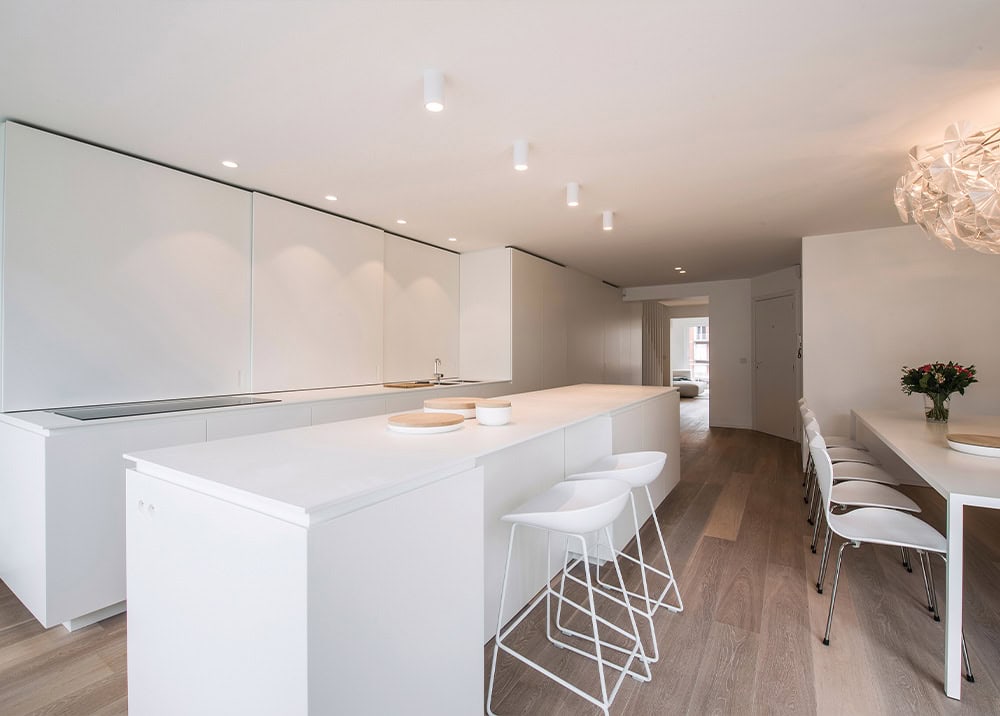
Composite materials have revolutionized the construction industry's approach to energy efficiency. These advanced surfacing materials offer a unique combination of aesthetics, durability, and energy properties that can significantly impact a building's overall energy consumption. Composite panels, such as KERROCK composite panels, are examples of how innovative materials can improve building energy efficiency compared to traditional alternatives.
Modern construction projects demand materials that not only look good, but also actively participate in optimizing the building's energy economy. Composite materials meet this challenge by offering solutions that support sustainable construction and long-term energy savings.
What are composite materials in construction?
Composite materials in construction are a combination of two or more different materials that produce a final product with properties superior to those of the individual components. Composite panels typically consist of minerals, resin, and additives that form a uniform and durable surface material.
Composite materials used in the construction industry can be divided into several categories based on their composition. Acrylic-based composite panels are used particularly in interiors due to their hygiene and formability. These materials are utilized in countertops, wall surfaces, and wet room coatings, where they provide a seamless and easy-to-maintain surface.
The manufacturing process of composite materials makes it possible to tailor their properties according to the intended use. This flexibility makes them particularly valuable in energy-efficient construction, as the thermal conductivity, moisture resistance, and tightness of the materials can be optimized according to the requirements of each application. By familiarizing oneself with to energy-efficient composite material products you will find the most suitable solution for your project.
How do composite materials affect the thermal insulation of a building?
Composite materials improve the building's thermal insulation thanks to their low thermal conductivity and dense structure. Kerrock composite panels and similar products form effective thermal barriers that significantly reduce heat transfer between indoor and outdoor spaces compared to traditional materials.
The thermal insulation properties of composite materials are based on their multilayer structure and optimized composition. Insulating components can be integrated into the material, creating air pockets and preventing heat transfer through conduction. This makes composite surfaces particularly effective at eliminating thermal bridges.
Wet room board and other composite materials also offer excellent moisture resistance, which is essential for the long-term effectiveness of thermal insulation. Moisture damage can significantly impair the performance of insulation materials, but composite materials maintain their thermal properties even in humid conditions.
What are the advantages of composite materials in energy saving?
The main advantages of composite materials in energy savings are reduced heating and cooling needs, improved building tightness, and long-term durability that maintains energy efficiency for decades. These materials can reduce a building's energy consumption by up to 15 to 25 percent in optimal applications.
The seamless installation of composite panels eliminates thermal leaks, which are common in traditional materials. This airtightness significantly reduces the load on ventilation systems and improves indoor air quality. KERROCK composite panels, in particular, offer excellent airtightness thanks to their uniform structure.
Composite materials retain their thermal properties over time better than many traditional alternatives. They do not sag, crack, or deform under the influence of temperature fluctuations, which ensures long-term energy efficiency. This durability means lower repair needs and maintenance costs over the building's lifecycle.
Long-term savings
The investment costs of composite materials pay for themselves through energy savings. The high energy efficiency of the materials significantly reduces heating and cooling bills, especially in large construction projects. In addition, their low maintenance requirement lowers long-term costs.
In which parts of the building is the energy efficiency of composite materials most evident?
The energy efficiency of composite materials is best seen in facades, wet rooms, window and door frame structures, and interior wall coverings, where the thermal insulation properties and tightness of the materials can be fully realized. These application areas optimize the utilization of the unique properties of composites.
In facade applications, composite materials act as an effective thermal blanket that protects the building frame from temperature fluctuations. The material's low thermal conductivity reduces heat loss through exterior walls, which is particularly important in energy-efficient construction. A composite panel can function simultaneously as both a structural and an insulating element.
In wet rooms, the energy efficiency of composite materials is emphasized by their ability to maintain a stable temperature and prevent moisture from penetrating structures. Wet room panels and similar solutions create a tight surface that reduces the need for heating and prevents energy losses caused by moisture damage.
Windows and doors
In the frame structures of windows and doors, composite materials offer excellent thermal insulation and structural stability. They reduce thermal bridges and significantly improve the energy efficiency of the entire window structure compared to traditional materials.
Interior walls and partition walls
Indoors, composite materials help maintain a stable temperature and reduce the load on the heating system. Their thermal mass stores heat during the day and releases it at night, which naturally smooths out temperature fluctuations.
Composite materials represent the future of construction, where energy efficiency and aesthetics go hand in hand. These innovative surface materials offer a sustainable solution for reducing buildings' energy consumption while meeting the highest quality standards. If you want to know more about how composite materials can improve the energy efficiency of your project, contact our experts. We help you find the exact material solutions that combine energy efficiency, durability, and unique design.