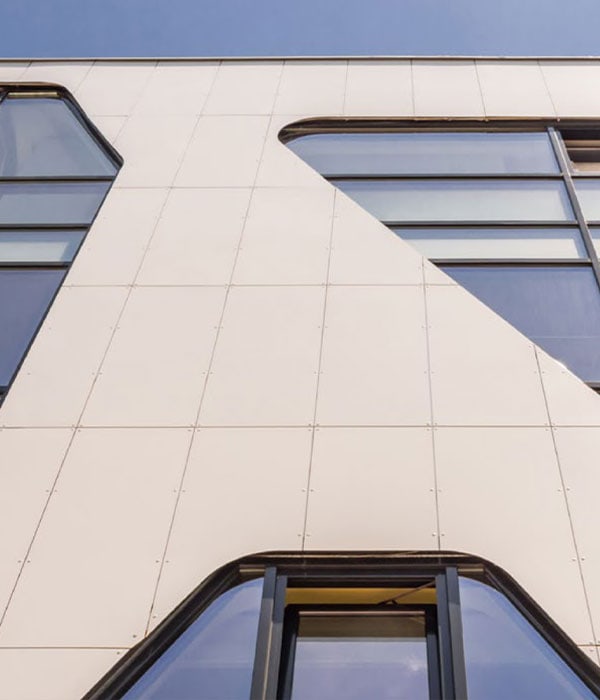
Facade laminate is a popular option for finishing building exteriors, but its long-term durability largely depends on its resistance to UV radiation. The sun's UV radiation is one of the biggest threats to exterior materials, which is why UV resistance is a crucial factor in choosing facade materials.
By understanding the effects of UV radiation and the durability properties of laminates, you can make an informed choice about the facade materials for your project. A correctly chosen facade laminate will maintain its appearance and functionality for decades.
What is facade laminate and why is UV resistance important?
Facade laminate is a high-pressure surface material composed of multiple layers, specifically designed for outdoor use. It combines durability, versatility, and aesthetics, making it a popular choice for building facades.
UV resistance is an essential property for facade laminate, as the sun's ultraviolet radiation causes fading, cracking, and deterioration of surface layers in materials. Without adequate UV protection, the laminate will lose its color and gloss, and eventually also its structural strength. This leads to high maintenance costs and potential safety risks.
High-quality, UV-resistant facade laminate retains its original appearance and performance for decades, making it a cost-effective choice in the long run.
How does UV radiation affect laminate surfaces?
UV radiation breaks down the molecular structure of the laminate's surface layers, leading to color fading, loss of surface gloss, and material brittleness. The effects first appear in the surface layer and gradually proceed deeper into the material.
The first signs of UV damage are color changes, with dark colors fading faster than light ones. The surface gloss begins to disappear, and the material may take on a chalky appearance. Prolonged exposure can cause microscopic cracks that accumulate dirt and moisture.
UV radiation also affects the chemical structure of the laminate's binders, weakening adhesion between the layers. This can lead to surface peeling or delamination, compromising the integrity of the entire structure.
Several factors influence the UV resistance of laminate.
The UV resistance of laminate primarily depends on the composition of the surface layer, the amount and quality of UV inhibitors, and manufacturing methods. Additionally, the material's color and surface texture affect its durability.
The UV protective agents in the wear layer are the most important factor. High-quality laminates contain specially manufactured UV-absorbing substances that prevent harmful radiation from penetrating deeper into the material. The amount and quality of these substances largely determine the durability of the entire material.
The effect of color is significant: light colors reflect UV radiation better than dark ones, which absorb more energy and heat up more intensely. Surface texture affects radiation reflection and absorption. Smooth surfaces are generally more durable than deeply textured surfaces.
How long does facade laminate last outdoors?
High-quality UV-resistant facade laminate can last outdoors for 15-25 years while maintaining an acceptable appearance and functionality. The best materials can last up to 30 years under the right conditions and with proper maintenance.
The lifespan depends on many factors, such as location, climatic conditions, and maintenance. South-facing surfaces are exposed to stronger UV radiation than north-facing surfaces. Proximity to the sea, industrial areas, and urban pollution can shorten the lifespan.
Regular cleaning and inspection significantly extend the material's lifespan. Small damages should be repaired immediately after they appear, so they don't spread and compromise the durability of the entire surface.
How to choose UV-resistant facade laminate?
When choosing a UV-resistant facade laminate, it's advisable to pay attention to the manufacturer's warranty periods, certifications, and test reports. Look for materials with a color fastness guarantee of at least 10 years and UV testing that complies with standards.
Examine the manufacturer's technical specifications and request references for similar projects. Reliable manufacturers provide detailed information on material composition, UV inhibitors, and performance under various conditions. Familiarize yourself with a range of high-quality facade laminates to find suitable options for your project.
Choose colors and surface textures carefully. Light and medium-toned colors generally hold up better than deep, dark shades. It's not always worth choosing the cheapest option, as the longer lifespan of quality materials makes them more cost-effective in the long run.
Choosing the right façade laminate requires expertise in material properties and the specific requirements of the application. Contact us, you will receive professional advice on choosing UV-resistant facade materials suitable for your project. We will help you find a solution that meets both your aesthetic and technical requirements.