
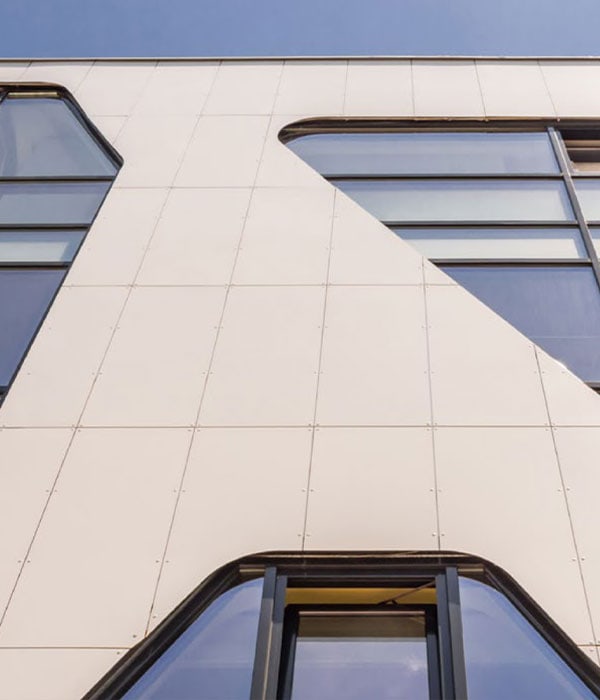
Facade laminate is one of the most popular surface materials in modern architecture, but many designers and builders ponder its durability in various weather conditions. Finland's variable climate conditions, in particular, pose challenges for outdoor materials.
In this article, we answer the most important questions about the suitability of facade laminate for different climates and provide practical tips for material selection and maintenance.
What is facade laminate and what is it used for?
Facade laminate is a high-pressure laminate specifically designed for outdoor use and facade cladding. It consists of several layers of paper impregnated with resin and pressed together under high pressure and temperature.
Facade laminate is primarily used for cladding the exterior walls of buildings, in ventilated facade constructions, and for architecturally demanding projects. The material offers a wide range of colors, surface textures, and design options, making it a popular choice in modern construction. The advantages of laminate include its light weight, easy installation, and versatile design possibilities compared to traditional facade materials. Explore our wide facade laminate range to find suitable solutions for your project.
What climatic conditions affect the durability of facade laminate?
The durability of facade laminates is primarily affected by UV radiation, temperature fluctuations, humidity, and rainfall. Over time, these factors can cause the material to become brittle, fade in color, or wear down the surface.
UV radiation is one of the most significant challenges, as it can cause color changes on the laminate surface and chemical degradation of the material. Large temperature fluctuations cause the material to expand and contract, which can lead to cracks or detachment. Moisture and freeze-thaw cycles can penetrate the material and weaken its structure. Strong winds, hail, and mechanical wear also affect the long-term durability of facade laminate.
Can facade laminate withstand Finnish weather conditions?
High-quality façade laminate withstands Finnish weather conditions well, provided it is correctly chosen and installed. Finland's climate places demands on the material, especially due to winter frosts and summer heat.
Finnish weather conditions include significant temperature fluctuations, from -30 °C to +30 °C, as well as heavy precipitation, snow, and freeze-thaw cycles. High-quality facade laminate is designed to withstand these conditions. The material's UV-stabilized pigments protect against solar radiation, and its low moisture absorption prevents damage caused by freeze-thaw cycles. Facade laminates used in Finland must meet the requirements of the EN 438-6 standard for outdoor use.
Special requirements of the northern climate
In Northern Finland, the material must particularly withstand long periods of frost and low sunlight. These conditions can affect the material's flexibility and surface quality.
How does the quality of facade laminate affect weather resistance?
The quality of the facade laminate is a crucial factor in its weather resistance. Premium products withstand climatic conditions significantly better than cheaper alternatives, and their lifespan can be as long as 20–30 years.
High-quality facade laminates contain UV-stabilized pigments that prevent colors from fading and material degradation in sunlight. The quality and quantity of resins directly affect the material's water resistance and mechanical strength. High-quality products use phenolic resin, which offers better moisture and heat resistance than alternatives used in cheaper products.
Surface texture and finish also affect durability. Smooth surfaces are easier to clean, but textured surfaces can hide minor scratches and wear better. Material thickness is another important factor: thicker panels withstand mechanical stress and temperature fluctuations better.
What maintenance measures does facade laminate require in different climates?
Facade laminate requires regular cleaning and inspections, but maintenance needs vary depending on climatic conditions. In Finnish conditions, a thorough inspection and cleaning at least once a year is recommended.
In humid climates, laminate surfaces should be cleaned more often, as moisture can promote the growth of dirt and algae. In dry and dusty conditions, dust removal is important to prevent it from rubbing into the surface. In winter, removing snow accumulation is essential to avoid placing extra stress on the structures.
Maintenance includes washing surfaces with a mild detergent solution, inspecting fastening points, and repairing any damage promptly. The condition of joints and edges should be checked regularly, as they are more susceptible to moisture damage. The use of strong chemicals should be avoided, as they can damage the laminate surface.
If you are considering using facade laminate in your project, contact us for expert advice. We help you choose high-quality facade materials that are perfectly suited to your destination and will withstand Finland's demanding weather conditions year after year.