Natural and artificial veneers are both popular surface materials, but they differ significantly. Natural veneers are made by cutting thin layers of real wood, making each veneer unique with its natural grain patterns. Artificial veneers, on the other hand, are produced industrially, which gives them a more uniform appearance and better technical durability. The choice between the two depends on the aesthetic objectives of the project, the requirements of the application and environmental and budgetary considerations.
What are natural and artificial veneers?
Nature snippets are thin layers of real wood, usually 0.5-0.8 mm thick, cut from valuable wood species such as oak, walnut, maple or more exotic species by turning or slicing. Each natural veneer carries the original characteristics of the wood - grain patterns, colour tones and textures - making each veneer unique.
Artificial (or technical) veneers are industrially manufactured veneers produced by processing wood, usually fast-growing wood. In the manufacturing process, the wood material can be dyed through, treated and shaped to achieve the desired properties. For example Taboo dyed natural veneers represent a modern approach where natural veneer is further processed industrially.
Differences in manufacturing methods directly affect the properties, appearance and usability of the final product. Natural veneers offer the feel and premium look of real wood, while artificial veneers bring technical advantages such as uniformity and durability.
How do natural and artificial veneers differ in appearance?
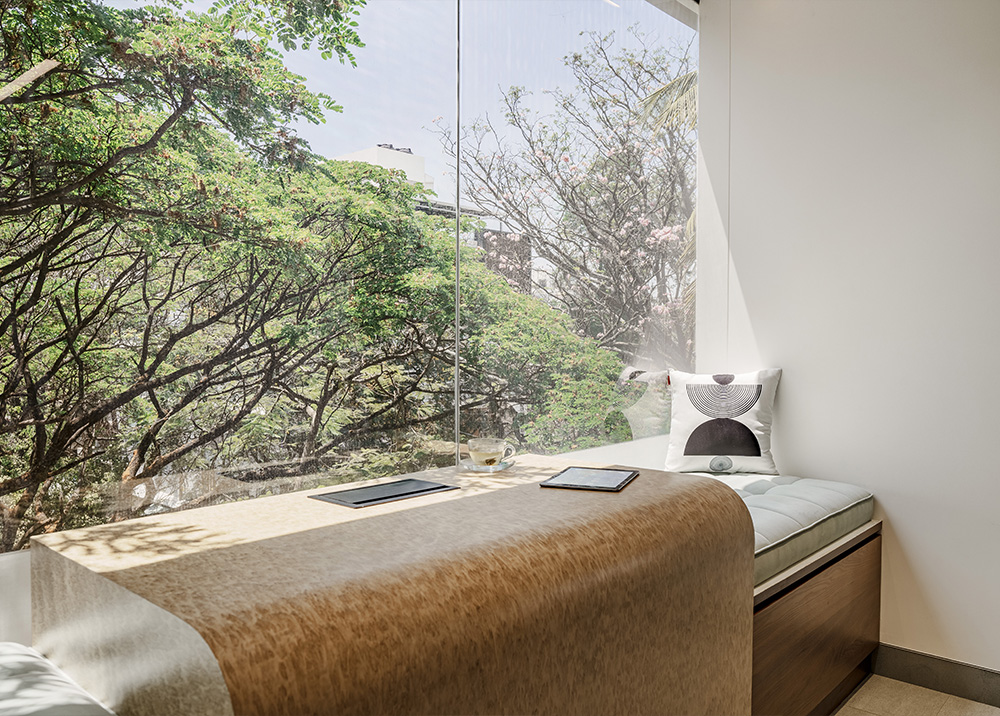
Natural and artificial veneers differ significantly in appearance. A natural veneer can be recognised by its unique grain patterns, natural colour variations and organic texture. Each natural veneer is like a work of art - unique and unrepeatable.
The visual richness of wildlife is particularly visible in the way light is reflected from its surface. The depth and three-dimensionality of real wood create a living surface that changes according to the light and the angle at which it is viewed. This gives natural veneer surfaces their much appreciated warm and authentic feel.
Artificial bricks, on the other hand, offer a more uniform and predictable appearance. The industrial manufacturing process enables:
- Uniform colour tones across the entire surface
- Controlled causal patterns without natural irregularities
- Smooth texture
- Repeatability between different production batches
Although artificial hedges try to imitate natural hedges, the discerning eye will notice the difference. Artificial charcoal patterns often repeat more regularly and lack the random variation of natural charcoal. On the other hand, this allows for a consistent look in large projects, where repeatability is a prized feature.
What are the sustainability differences between natural and artificial charcoal?
There are significant differences in sustainability between natural and artificial quilting. Artificial veneers are generally technically more robust and better tolerate environmental stress. This is due to their manufacturing process, which allows the addition of durability-enhancing properties to the material.
Natural cuttings are more sensitive to environmental conditions:
- Humidity fluctuations can cause swelling or shrinkage
- UV radiation fades colours over time
- Mechanical wear is more visible on the surface
Artificial bricks, on the other hand, offer advantages in these areas:
- Improved moisture resistance
- Better colour stability in sunlight
- Greater wear resistance
- Easier to clean
However, it should be noted that high quality, properly treated and finished natural veneers can be very durable under the right conditions. The surface treatment of a veneer has a significant impact on its durability - a good quality varnish or oil treatment will significantly improve the durability of a natural veneer.
For which applications is natural or artificial veneer best suited?
Natural veneer and artificial veneer are suitable for different applications because of their characteristics. The choice of the right type of veneer depends on the requirements of the project, the environment in which it will be used and the aesthetic objectives desired.
Natural features shine in particular:
- Premium furniture and furniture surfaces
- In interior panels for high spaces
- In architectural details, where the natural beauty of wood is to be brought out
- For unique design projects where the individuality of the material is important
- On surfaces subject to low wear, such as decorative elements
Artificial bricks, on the other hand, are the best:
- For public spaces where wear resistance is important
- For humid areas or variable conditions
- For large surfaces where a uniform look is required
- For projects where repeatability and consistency are required
- For applications where UV resistance is essential
In practice, we often see these materials combined in the same project - for example, natural veneer can be used for visible decorative elements, while artificial brick is used for more wear-prone areas.
How does eco-friendliness compare between natural and artificial charcoal?
The comparison of environmental impacts between natural and artificial charcoal is not straightforward. Both materials have their own ecological strengths and weaknesses.
The environmental benefits of wildlife:
- Renewable natural material
- Manufacturing generally consumes less energy than artificial charcoal
- Reduced chemical treatments
- Responsibly produced nature walks can support sustainable forest management
The environmental benefits of artificial charcoal:
- More efficient use of raw material (less waste)
- Often uses fast-growing tree species
- Does not require rare or endangered tree species
- Longer service life can reduce the need for material replacement
An environmentally responsible choice requires knowledge of the origin of the material. For example, FSC-certified natural veneers guarantee that the wood comes from responsibly managed forests. On the other hand, modern engineered veneers can be very resource-efficient, using materials that would otherwise go to waste.
What should be considered when choosing the type of veneer for a project?
When choosing the type of veneer, it is important to assess the overall needs of the project. Consider these key factors when making your decision:
- Intended use and degree of consumption: Estimate how much wear and tear the surface material will face. In high wear areas, artificial veneer may be a more durable choice.
- Aesthetics and visual objectives: where a unique look and natural variation are important, natural veneer is a strong choice.
- Environmental conditions: in humid or variable conditions, artificial veneer generally offers better durability.
- Uniformity vs individuality: for large surfaces where a uniform look is required, artificial veneer is a safer choice.
- Budget and lifespan: while artificial veneers are often more affordable, premium natural veneers can bring value that lasts over time.
In the best projects, material choices are guided by a balance between technical requirements, aesthetic objectives and sustainability principles. We offer a wide range of a variety of veneers and surface materials in our product range, and we'll help you find the right solution for your project. You can explore our options and get expert advice on material selection.