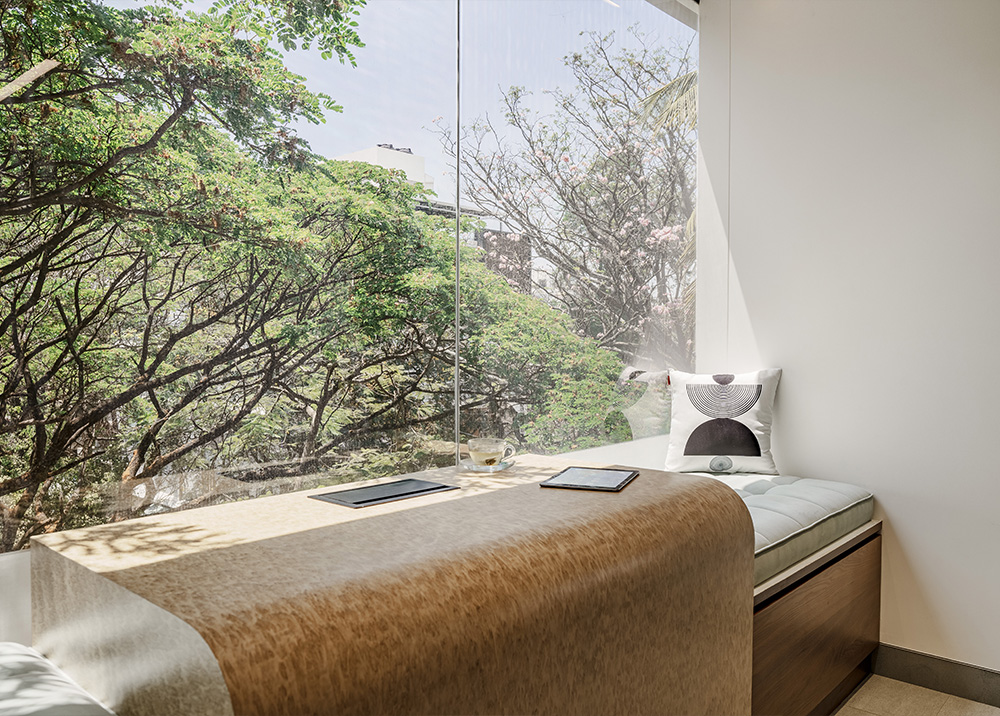
High-quality veneer is the jewel in the crown of wood materials, combining aesthetic beauty and technical properties into an optimal surface material. Technically superior, veneer offers excellent tensile strength, flexural strength and dimensional stability. A high quality veneer has a smooth texture, good workability and a suitable moisture content. Depending on the type of wood and the manufacturing process, the technical characteristics of the veneer may vary, which affects its suitability for different applications. The technical properties of the veneer are key to both the durability of the material and the quality of the final product.
What are the technical characteristics of a quality veneer?
A high quality veneer has a number of important technical characteristics that make it an excellent surface material for demanding applications. The basic structure of the veneer consists of wood fibres, the orientation and arrangement of which determine the behaviour of the material.
The hallmarks of a technically high-quality veneer are homogeneity and a suitable moisture content (usually 8-12%). The dimensional stability of the veneer, i.e. its ability to maintain its shape and size under varying conditions, is a particularly important property for longevity. This is particularly important in applications where temperature or humidity fluctuates.
The technical characteristics of the veneer are crucial to the design and material choices. Properly selected veneer performs both aesthetically and structurally excellent, providing a surface material that meets the high quality standards required for projects. As a natural material, veneer combines a unique look with a durable structure, as long as its technical properties are considered according to the application.
What are the main mechanical properties of a veneer?
The mechanical properties of the veneer determine its behaviour under different stress conditions and are crucial for the suitability of the material. The main mechanical properties include tensile strength, bending strength, abrasion resistance and impact resistance.
Tensile strength indicates the ability of the veneer to resist the stretching force and varies significantly depending on the species. For example, oak and ash veneers have excellent tensile properties, making them ideal for structurally demanding applications. Flexural strength, on the other hand, determines how well a veneer will resist bending without cracking - a particularly important property for curved surfaces and mouldings.
Wear resistance varies significantly depending on the hardness of the wood species. Harder species such as maple and oak offer better wear resistance compared to softer species. Impact resistance is an essential property, especially for veneers used in public spaces and frequently used furniture.
Mechanical properties directly affect the use of the veneer. Files with high tensile strength are more suitable for structural elements, while those with excellent bending strength work well in mouldings. Files with good wear resistance should be selected for surfaces that will be subjected to continuous use.
How does the thickness of the veneer affect its performance?
The thickness of the veneer is a key technical characteristic that directly determines its suitability for different applications. The thickness of the veneer typically varies from 0.4 mm up to 3 mm, which has a significant impact on the behaviour of the material during machining and on the final product.
Thin veneers of 0,4-0,6 mm are extremely flexible, making them ideal for complex shapes and curved surfaces. These thin files are ideal for mouldings and applications where the file must conform to the shape of the substrate. Thin veneers are also easier to bond, but are more prone to tearing during the machining process.
Medium-thickness veneers of 0.6-1.0 mm offer a good balance between flexibility and durability. They are ideal for traditional furniture and flat surfaces such as cabinet doors and interior panels.
Thicker veneers, above 1.0 mm, offer better wear resistance and can be used in applications where the surface may need to be sanded or machined after installation. However, thicker veneers do not bend as easily as thinner ones, which limits their use on curved surfaces.
The choice of veneer thickness must take into account both technical requirements and aesthetic desires. Choosing the right thickness is important to ensure optimal behaviour and durability of the material in different applications.
How do natural veneer and industrially produced veneer differ in their technical characteristics?
Natural veneers and industrially produced veneers differ significantly in their technical characteristics. These differences directly affect their applications and suitability for different projects.
Nature snippets are made by sawing or turning directly from the wood, which preserves the natural texture and grain of the wood. The technical characteristics of these veneers vary depending on the species, growing conditions and cutting method. Natural veneers have the advantage of a unique appearance, but can present a challenge in terms of uneven quality and availability. The dimensional stability of natural veneer is highly dependent on the species and cutting method.
Industrially manufactured veneers, such as Design veneers made by TABU, offer more uniform technical characteristics. The manufacturing process of these veneers allows for precise control of thickness, moisture content and strength properties. Manufactured veneers are generally more dimensionally stable and their availability is more assured than natural veneers.
Technically, natural veneers often offer better bending strength due to the natural grain direction of the wood. Industrially manufactured veneers, on the other hand, offer better dimensional stability and a smoother quality. Industrial veneers also often have better moisture resistance, making them suitable for damp locations.
The choice between these two types of veneer depends on the technical requirements of the project, aesthetic preferences and the application. Both types of veneer have their own strengths that can be used in different applications.
How do the technical characteristics of a dyed-through veneer differ from a regular veneer?
The technical characteristics of dyed-through natural veneers differ significantly from those of regular veneers. The dyeing process affects the structure and behaviour of the veneer in several ways, opening up new possibilities for design.
In the staining process, the veneer is impregnated with dyes that penetrate the wood's cellular structure. This process improves the veneer's lightfastness compared to surface-treated veneers. While a normal veneer can fade and change colour when exposed to UV radiation, a dyed veneer retains its colour much better, extending its aesthetic life.
The dyeing process can also affect the mechanical properties of the veneer. Depending on the dyes used and the process methods, the bending strength of a dyed veneer may be slightly lower than that of an untreated veneer. On the other hand, some dyeing processes can improve the moisture resistance of the veneer, making it more suitable for humid areas.
A particular advantage of through-dyed veneers is their ability to retain their colour even after grinding and light damage. As the colour is throughout the material, surface scratches do not reveal the different coloured material underneath, unlike in surface treated veneers. This feature makes through-dyed veneers particularly durable in demanding applications.
For designers, solid-coloured veneers offer a wider range of colours while maintaining the natural texture of the wood. This allows for individual interior solutions without compromising on the technical properties of the material.
What to consider when choosing a quality veneer?
When choosing a quality veneer, it is important to consider a number of technical characteristics that affect the quality and durability of the end result. Material selection is a crucial step for the success of projects.
The first step is to assess the requirements of the application. Wear resistance is becoming an important feature in public spaces and frequently used surfaces. In humid areas, the moisture resistance and dimensional stability of the veneer are more important. Also identify veneer thickness and size options in relation to the project needs.
Pay attention to the uniformity of the veneer. A quality veneer will have consistent colour and texture, with no unwanted colour variations, cracks or other defects. Also check the moisture content of the veneer - it should be in balance with the conditions of use.
Compare the characteristics of different types of veneers. Natural veneers offer a unique look, while industrially produced veneers may offer better uniformity. Through-dyed natural veneers combine the natural texture of wood with unique colour options and improved lightfastness.
We can help you find the right veneer solutions for your project. We offer, for example, TABU's through-dyed natural veneers and industrially manufactured veneers that combine aesthetic quality and technical features for the most demanding needs.
When choosing a veneer, you should also consider ecology and sustainability. Choose sustainably produced veneers and make sure the materials meet the required environmental certification. This will ensure that the end product is both technically sound and environmentally responsible.