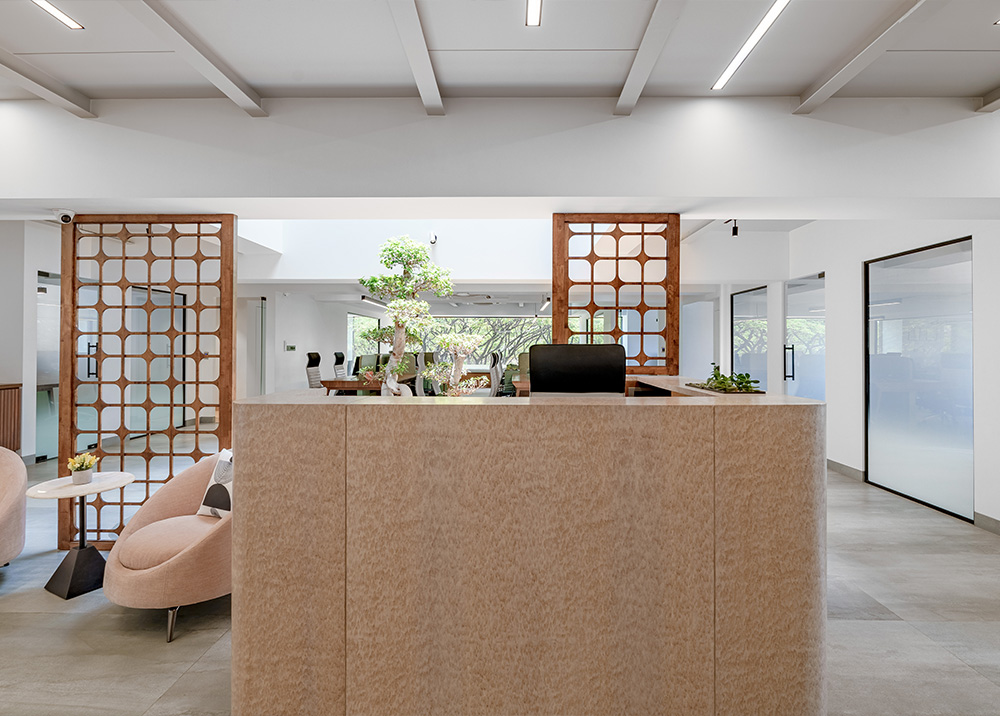
Natural veneer is an excellent choice when you want to bring the feel and warmth of real wood to your interior design or furniture project. There are several factors to consider when choosing the right veneer: wood species, cutting method, surface treatment and the requirements of the application. Natural veneers offer a unique aesthetic and individuality that cannot be achieved with artificial materials. Each veneer has its own story and character, making it a valuable element in quality interior design solutions.
What exactly is a nature carving?
A natural veneer is a thin sheet of wood, typically 0.5-0.7 mm thick, cut or turned from the frame using special techniques. It is genuine wood material, which preserves the natural texture and grain of the wood. The manufacturing process involves cutting thin layers from the trunk, drying and treating them according to their intended use.
The main difference between natural veneers and industrially produced veneers lies in their origin and production method. Natural veneers are obtained directly from wood, whereas industrially manufactured veneers are often composite materials in which the wood fibres have been processed and rearranged. This makes natural veneers a more authentic and unique alternative.
The use of veneer as a surface material dates back thousands of years to ancient Egypt, where furniture was decorated with precious woods. Today, veneer is widely used for furniture, interior panels, doors and many other applications where the appearance of real wood is combined with cost-effectiveness.
How does the type of wood in the natural veneer affect the final result?
Wood species determines the veneer basic features such as colour, texture, hardness and workability. European species such as oak, ash and beech are popular for their uniform colouring and durability. Oak is a classic choice, bringing warm tone and durability. Oak, on the other hand, offers a light and fresh look with a clear grain pattern.
Walnut is prized for its darker, warm colour and luxurious look. It is ideal for classic and prestigious interiors. Beech, on the other hand, offers a neutral and light base for a modern Scandinavian style.
More exotic wood species such as mahogany, teak and ebony bring a unique look to special finishes. These woods often have a striking grain pattern and, because of their rarity, add a touch of luxury to a space. However, when sourcing exotic woods, it is important to ensure that they are responsibly sourced.
When choosing a wood species, you should also consider its suitability for the application. Harder woods such as oak are better suited for wear surfaces, while softer woods may be a better choice for less stressed surfaces.
What types of veneer cuts are available?
The way the veneer is cut has a significant influence on the appearance and behaviour of the veneer. Tangential section produces a lively, undulating pattern when the veneer is cut parallel to the tangent of the annual rings. This cutting technique brings out the natural grain of the wood and is popular for showy surfaces.
In radial cutting, the veneer is cut parallel to the radius through the annual rings, which produces a straighter and smoother pattern. This cut is prized for its smooth, uncluttered look, and is particularly popular in oak and ash.
Quarter cut is a variation of radial cut, where the trunk is first cut into quarters and then into slices. This technique produces a smooth, linear pattern that is particularly appreciated in high-quality furniture.
The choice of the right cut depends on the desired visual appearance and the application. Tangential cutting is suitable for spectacular accent surfaces, while radial cutting is a more harmonious option for wider surfaces. Tabu offers a wide range of different veneer cuts to suit different design needs.
When should you choose a dyed natural veneer?
The natural veneer is an excellent choice when you want to combine the feel of real wood with the in a unique colour or a coherent look and feel. Unlike surface-dyed veneers, through-dyed veneers are uniformly coloured throughout their thickness, making them more resistant to scratches and wear.
Through-dyed veneer is particularly useful in areas that are exposed to abrasion or have edges or profiles. In these areas, the surface colour of a normal veneer can wear off, but a dyed-through veneer will retain its colour even after wear.
The colour options for solid coloured veneers are varied - both natural wood tones and bolder colours are available. This allows you to create modern and personal spaces without sacrificing the warmth and character of real wood.
Through-dyed veneer is also an environmentally friendly choice, as it allows you to create colourful surfaces without the use of paint or varnish, and the dyeing process often uses water-based dyes.
How should I maintain and care for my veneer?
Proper care of veneer surfaces will significantly extend their lifetime. Daily cleaning is sufficient soft, dry cloth. For wetter cleaning, a damp cloth can be used, but the surface should be dried immediately. Avoid excessively wet cleaning methods and strong cleaning agents.
The most common problems with veneer surfaces are scratches, moisture damage and discolouration. These can be prevented by appropriate surface treatment and protection. Hot objects should never be placed directly on veneer surfaces and moisture should be wiped off immediately.
Surface treatment options include varnishes, oils and waxes. Varnishes offer the most durable protection, but can alter the natural feel of the wood. Oils and waxes enhance the natural beauty of the wood and are easy to renew, but require more regular maintenance.
For more extensive damage, you should contact a professional. Small scratches can often be repaired with furniture wax or a repair pen, but more extensive damage will require veneer patching or refinishing.
When properly maintained, veneer surfaces will remain beautiful for decades and develop a beautiful patina over time, which only adds to their value and charm.
At Lorella, we can help you find the most suitable veneering solution for your project, whether it's a traditional natural veneer or a innovative veneer options from our range. With our extensive range and expertise, we ensure that the end result is both aesthetically pleasing and technically functional. See also our previous veneer projects and implementations to get ideas for your own project.