Surface materials in public spaces face tough demands every day. Thousands of users, various stains and constant wear make maintenance a challenge. High-pressure laminate has established itself as a reliable choice for schools, hospitals, offices and other public spaces.
Proper maintenance will significantly extend the life of your laminate surfaces and save you money in the long run. This guide gives you practical tools for the effective maintenance of high-pressure laminates in public spaces. We cover material characteristics, daily maintenance practices, common mistakes and professional deep cleaning methods.
Why high-pressure laminate is popular in public spaces
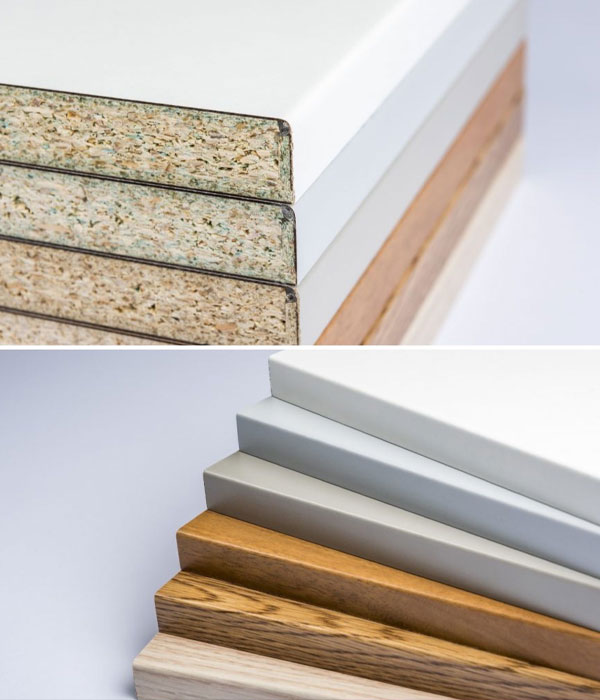
High-pressure laminate is exceptionally resistant to the demanding conditions of public spaces. Material high pressure resistance results from a manufacturing process in which several layers are pressed together at high temperature and pressure. This makes the surface highly resistant to impact, scratches and wear.
Hygiene in public spaces is crucial. High-pressure laminates are naturally antibacterial and their dense surface prevents bacteria and microbes from adhering. Cleaning agents are not absorbed into the material, which makes disinfection much easier.
This versatility is reflected in the applications. High-pressure laminates are used for desk surfaces, wall cladding, furniture and even bathrooms. The material's thermal and moisture resistance also makes it suitable for kitchen environments and other humid areas.
There is a wide range of colours and textures. Modern high pressure laminates offer a credible imitation of wood, stone or metal, but offer better durability and easier maintenance than the original materials.
Daily cleaning routines for laminate surfaces
Daily cleaning is simple, but requires the right methods. Always start by with dry wiping, which removes dust and loose dirt. Use a microfibre cloth or a soft cloth that will not scratch the surface.
For wet cleaning, warm water and a neutral detergent is sufficient. Avoid overly harsh chemicals that can damage the surface in the long term. The following cleaning products are suitable:
- neutral dishwashing detergent in water
- ammonia-based all-purpose cleaner (dilute solution)
- cleaning products specially designed for laminates
Removing stains requires speed. Coffee, juices and other liquids should be wiped off immediately. Dried stains can usually be removed with warm water and detergent. For more stubborn stains, you can use a slightly stronger solution, but always rinse the surface with clean water afterwards.
Staff training is important. Make sure everyone knows the correct cleaning methods and equipment. Written instructions help maintain consistent maintenance.
How to avoid the most common maintenance mistakes
Abrasive cleaners are the biggest threat to high-pressure laminates. Avoid the use of abrasive powders, steel wool and hard brushes. They can cause permanent scratches and dull the gloss of the surface.
Cleaning water that is too hot can damage the surface layer of the laminate. Use warm, not hot water. The optimum temperature is around 40-50 degrees.
Acidic cleaners, such as citric acid or vinegar, can corrode the surface of the laminate. Strong alkaline substances also cause damage. Refrain from using neutral cleaners.
Leaving a wet surface undried can cause problems, especially at joints. Always dry the surface with a clean cloth after cleaning. This prevents water marks and possible moisture damage.
Preventing long-term damage starts with the right daily habits. Regular maintenance is much more cost-effective than repairing or replacing damaged surfaces.
Deep cleaning and maintenance schedule
Deep cleaning should be done regularly according to use. In heavily used areas, monthly deep cleaning is recommended, in less used areas quarterly cleaning is sufficient.
Professional deep cleaning includes disinfection and surface treatment. Use products that clean effectively but do not damage the material. Disinfection is particularly important in healthcare and catering facilities.
Planning a maintenance schedule makes it easier to organise maintenance. Draw up a written schedule that includes:
- daily cleaning operations
- weekly more thorough cleaning
- monthly deep cleaning
- annual maintenance checks
Preventive measures save time and money. Protect surfaces where necessary, for example in food service areas by using protective plastic or glasses under hot dishes. Place mats on walkways to reduce the transfer of sand and dirt to surfaces.
The need for professional cleaning is assessed on the basis of the condition of the surfaces. If normal cleaning methods are not sufficient or the surfaces show signs of wear and tear, you should consider professional help.
Contact one of our experts
Do you need help with high-pressure laminate selection or maintenance practices? Our experts will help you find the best solutions for your specific needs. Get personalised advice on material selection, installation and maintenance.
Proper maintenance of high-pressure laminates ensures a long service life and maintains the comfort of the premises. By following these guidelines, you will get the most out of your material investment. We can help you a wide range of high quality high pressure laminates and expert advice on material selection and maintenance practices. Contact us today and ensure the best possible surface solutions for your premises.