High-pressure laminate is a durable surface material made by pressing several layers of material together under high pressure and temperature. It is ideal for public furniture because it is resistant to abrasion, impact and moisture. Laminate offers a wide range of design options and is easy to maintain, making it a practical choice for schools, offices and other public spaces.
What is high pressure laminate and why is it suitable for public spaces?
High pressure laminate is a multi-material layer consisting of a decorative surface, several layers of paper and a background material. In the manufacturing process, these layers are pressed together at a pressure of over 100 bar at a temperature of 140-160 degrees Celsius. This produces a hard, dense surface that can withstand daily wear and tear.
Public furniture faces constant use, and high-pressure laminate meets these challenges. The material resists scratches, impacts and stains, which are common in schools, offices and care facilities. The laminate's dense structure does not absorb moisture or bacteria, which is important for hygiene.
Public space designers appreciate the versatility of laminate. You can create tables, cabinets, wall panels and worktops in one material. This consistency makes interior design easier and keeps costs under control on large projects.
How can high-pressure laminate withstand the stress of public spaces?
High-pressure laminate is exceptionally resistant to stress in public spaces thanks to three properties: wear resistance, impact resistance and moisture resistance. The hardness of the material is similar to natural stone, but it is lighter and easier to work.
Wear resistance comes from the surface structure of the laminate. The decorative layer is protected by a transparent layer of melamine resin, which forms a tough protective film. This surface resists daily scrubbing, wiping and even light scratching without leaving visible marks.
Impact resistance is based on the laminate's layer structure. When an impact is applied to a surface, the energy is evenly distributed throughout the structure. This prevents cracks and crazing that can occur in stone materials or ceramics.
Moisture and temperature resistance make laminate a reliable choice for varying conditions. The material can withstand temperature fluctuations from -30°C to +80°C and resists moisture without absorbing it into the structure. Compared to wood surfaces, laminate will not swell, crack or warp under the influence of moisture.
What design possibilities does high pressure laminate offer for public spaces?
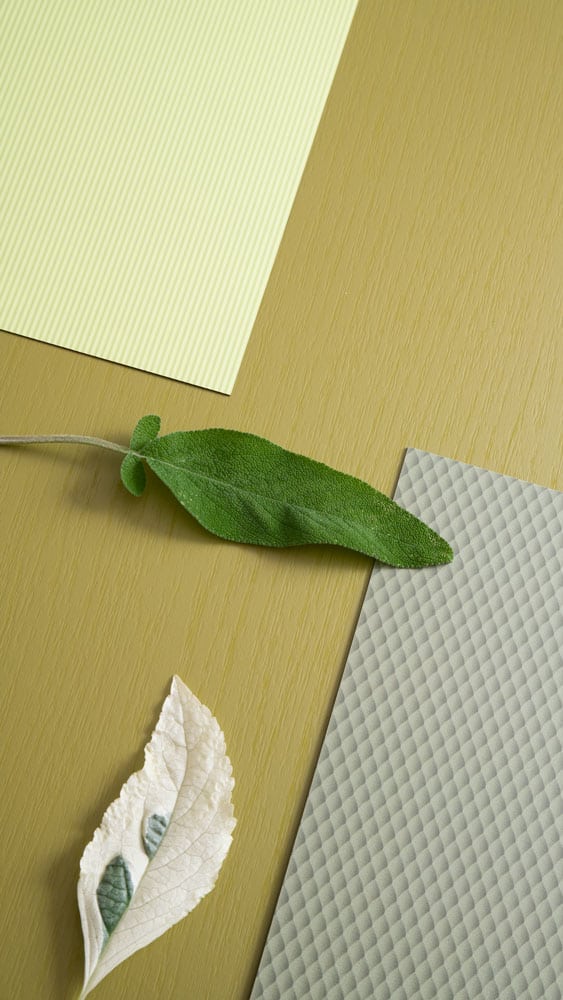
High-pressure laminate offers almost unlimited design possibilities for public spaces. The range includes hundreds of colours and textures, patterns imitating stones and metals, and abstract designs. This versatility allows the creation of unique spatial solutions.
Colour options range from muted neutrals to vibrant accents. You can choose classic white or grey for office spaces, or bolder shades for learning environments. Monochromatic surfaces suit a minimalist style, while marble patterns bring elegance to prestigious spaces.
Surface textures add depth to the design. Smooth surfaces are easy to clean and suitable for areas with stringent hygiene requirements. Matt surfaces hide fingerprints and minor wear. Textured surfaces, such as wood patterns or stone structures, bring warmth and naturalness to public spaces.
The strength of laminate is its consistency in large projects. The same colour and pattern remains identical across different furniture and surfaces. This allows a cohesive look to be created throughout a complex of spaces, which is difficult with natural materials.
How to maintain high pressure laminate in public spaces?
Maintenance of high-pressure laminate in public spaces is simple and cost-effective. Daily cleaning with a damp cloth and mild all-purpose cleaner. This is enough to effectively remove dust, fingerprints and common stains.
The recommended cleaning agents are pH-neutral or slightly alkaline. Normal dishwashing detergent, diluted in water, is a safe and effective choice. You can also use ammonia-based cleaners for more stubborn stains. Avoid abrasive cleaners and steel wool, which can scratch the surface.
The most common maintenance errors are related to incorrect cleaning products. Acidic substances, such as vinegar or citric acid, can dull the surface of the laminate after prolonged use. Solvent-based cleaners are neither necessary nor suitable for laminate surfaces.
Long-term maintenance requires little attention. Protect surfaces from hot objects by using underlays, even though laminate is highly heat resistant. Repair small scratches immediately to prevent them from deepening. Deeper damage can be repaired locally without having to replace the entire surface.
High-pressure laminate combines practicality and design in public furniture. Its durability, versatile appearance options and easy maintenance make it a reliable choice for long-term use. When designing your public space furniture, laminate offers a balanced solution, which serves both users and administrators. We at Loressa we help you find just the right laminate solutions for your project needs.