
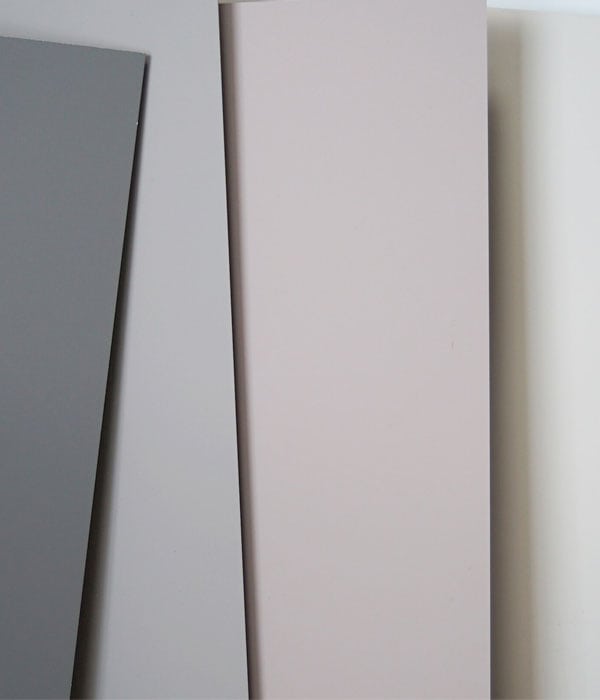
Interior laminates have captured the hearts of the construction industry, and for good reason. These versatile finishes offer a combination of durability, aesthetics and practicality, suitable for furniture fronts and worktops alike. Laminates have changed the way designers and manufacturers approach interior projects.
This guide will help you understand the benefits of laminates, choose the right type for your project and take care of their maintenance. We also go through practical tips on care and maintenance to help you get the most out of your laminates.
Why interior laminates are a popular surface material
The popularity of laminates is based on their versatile features and practicality. Durability is one of the main reasons for choosing laminate over other surface materials. Laminate tiles are more resistant to wear, scratches and moisture than many traditional materials.
Cost-effectiveness makes laminates an attractive alternative. When you compare laminate to stone or precious metals, the savings are significant without compromising on appearance. High-pressure laminate offers particularly good value for money for long-term projects.
The ease of installation speeds up project implementation. Laminates are light to handle and suitable for a wide range of substrates. This makes them a popular choice for both new build and renovation projects.
The design possibilities are almost endless. Laminates mimic natural materials such as wood and stone in a believable way, while offering colour and surface options not found in natural materials.
How to choose the right laminate for your project
Understanding the types of laminate will help you make the right choice. High pressure laminates are suitable for demanding applications where maximum durability is required. They are highly resistant to heat, humidity and mechanical stress.
Low-pressure laminates are a more economical option for less loaded surfaces. They work well indoors, where there is little wear and tear or exposure to moisture.
The choice of thickness depends on the application. Thinner laminates are suitable for furniture fronts, while thicker options are more resistant to the daily use of worktops.
The surface pattern affects both appearance and practicality. Smooth surfaces are easier to clean, but textured surfaces hide fingerprints and small scratches better.
The choice of colour should be carefully considered. Light shades will give the space a more spacious feel, while darker colours are more resistant to visible wear and tear.
Applications of laminates in furniture and interior design
Worktops are one of the most popular applications for laminates. They can withstand daily use in kitchens and workspaces. A properly selected laminate will withstand heat and humidity for years.
Furniture fronts benefit from laminates on design diversity. You can achieve the look you want by imitating wood, metal or stone without the cost of expensive natural materials.
Laminates bring durability and ease of maintenance to wall surfaces. They are particularly suitable for areas where walls are exposed to moisture or wear.
In public spaces, the durability of laminates is highlighted. They can withstand high levels of use and retain their appearance for years with minimal maintenance.
The choice of laminate is determined by the requirements of the environment in which it will be used. In damp areas you need a water-resistant laminate, while in dry indoor areas you can choose from a wider range.
Laminate care and maintenance instructions
Daily cleaning keeps your laminates in good condition. A damp microfibre cloth is usually enough to remove dust and light dirt. Avoid abrasive cleaners, which can damage the surface.
The right cleaning products will prolong the life of your laminate. Use mild, pH-neutral cleaners. Ammonia- or chlorine-containing substances can cause discolouration or surface wear.
Removing stains speed is important. The faster you deal with the stain, the easier it will come off. For greasy stains, you can use a mild dishwashing detergent.
Protection from hot objects prevents damage. Always use underfloor heaters under hot dishes, even if the laminate is reasonably heat resistant.
You can prevent scratches by using cutting boards and avoiding dragging hard objects over the surface. Small scratches can be carefully sanded with fine sandpaper and polished.
Contact our experts
Choosing laminates can seem complicated when there are so many options. Professional advice can help you find the right solution for your project. We have extensive experience of the properties and suitability of different surface materials.
Technical implementation often requires in-depth knowledge of materials. We can help you understand the advantages and limitations of different types of laminate to get the best results from your project.
The choice of materials has a significant impact on the outcome of a project. Contact us, we will discuss your project and together we will find the best solutions for your needs. We offer comprehensive support in material selection and technical implementation.
Laminate panels offer an excellent combination of durability, aesthetics and practicality. Properly selected and cared for, laminate will serve you for years and maintain its excellent appearance. High-pressure laminate is a particularly good choice for demanding applications where maximum durability and longevity are required.
