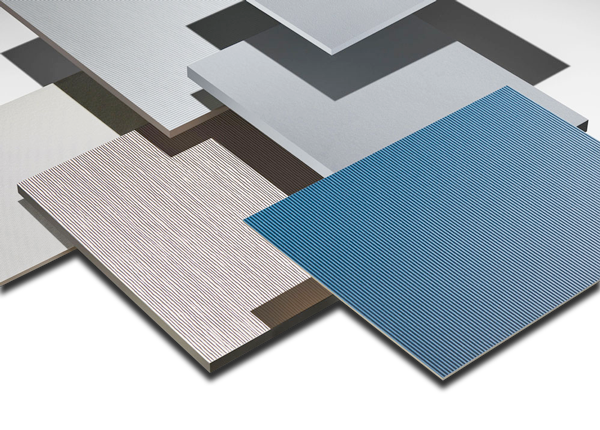
Laminate panels are cornerstones of modern interior design and furniture manufacturing, but not all laminates are created equal. Choosing high-quality, scratch-resistant laminates can be crucial for the success of your project and the durability of the final result.
The right kind of laminate can withstand decades of wear and tear while maintaining its original appearance. This article will go over the factors that make laminate truly durable and give you the tools to make the right material choices.
What makes laminate truly durable
The foundation of sustainable laminate lies in its in the floor structure. High-pressure laminates consist of several layers that are pressed together at high temperature and pressure. The base layer is formed by several sheets of paper impregnated with phenolic resin, which give the laminate its strength and dimensional stability.
The decorative layer contains a decorative paper that defines the laminate's appearance. On top of this comes a transparent protective layer impregnated with melamine. This top layer is precisely what determines the laminate's durability.
The pressure used in the manufacturing process can be up to 100 times greater than in standard laminates. The temperature rises to 140–160 degrees Celsius, causing the resins to react with each other and form a very hard, uniform surface. This process takes several hours, unlike the rapid manufacturing of cheap laminates.
The quality of materials significantly impacts the final result. High-quality high-pressure laminates are made from pure raw materials and with precisely controlled resin recipes, which ensure a uniform and durable final result.
The secret to non-fading surfaces
Abrasion resistance depends on the laminate of the beer hall and its structure. High-quality laminates reach a Mohs hardness level of 6–7, meaning they can withstand scratches from ordinary objects.
Surface treatment is crucial. The melamine surface forms a microscopic network that distributes the impact force over a larger area. This prevents local damage from occurring and keeps the surface intact for longer.
Testing methods reveal the true durability of laminate. The Taber abrasion test measures how much material wears away against a specific amount of friction. High-quality laminates can withstand over 6000 cycles without significant loss of appearance.
The surface texture also affects the visibility of scratches. Matte and lightly textured surfaces hide minor scratches better than glossy surfaces. This doesn't mean that glossy surfaces are weaker, but scratches are more noticeable on them.
Choosing the right laminate for different uses
Different applications require different laminate properties. Countertops You need laminate that is at least 0.8–1.2 mm thick, which is resistant to heat and moisture. Heat resistance is especially important in kitchens, as hot dishes can damage a weaker surface.
For furniture surfacing, you can use thinner laminates, 0.6–0.8 mm. These are easier to work with and durable enough for normal use. For the interior surfaces of cabinets, you can use even thinner options.
Medium-thick laminates are well-suited for wall surfaces, offering good surface quality without being too rigid for installation. In public spaces, it is advisable to choose particularly durable options that can withstand heavy use.
The choice of surface pattern affects both appearance and practicality. Deep patterns can collect dirt, while smooth surfaces are easier to clean. Wood-patterned laminate gives a natural impression, while a monochrome surface suits more modern spaces.
Laminate Maintenance and Handling in Professional Use
Proper handling begins with storage. Laminate panels should be stored on a level surface and protected from moisture. Temperature fluctuations can cause warping, so a stable storage environment is important.
During installation, use sharp tools and the correct technique. Dull blades will tear the laminate surface and cause an untidy cut. Always cut with the decorative side facing up, so that any chips remain on the underside.
Mild detergents and a damp cloth are sufficient for cleaning. Avoid abrasive agents and rough cleaning tools that can scratch the surface. Always dry the surface after cleaning, as standing water can penetrate the seams.
The most common usage errors relate to excessive force and incorrect cleaning agents. Acidic or alkaline substances can permanently damage the laminate surface. Hot objects should always be placed on trivets or coasters, even though laminate can tolerate heat to a moderate extent.
Contact the experts
Finding the right laminate solutions often requires expert help. Every project is different, and material choices depend on many factors from operating conditions to aesthetic requirements.
We have extensive experience working with high-quality surface materials. We help you find the right solutions for your project and offer technical support throughout the process.
Don't leave material choices to chance. Contact us and during the design phase, we can help you make the best possible choices. Durable and scratch-resistant laminate panels are an investment that will pay for itself over years of use.