
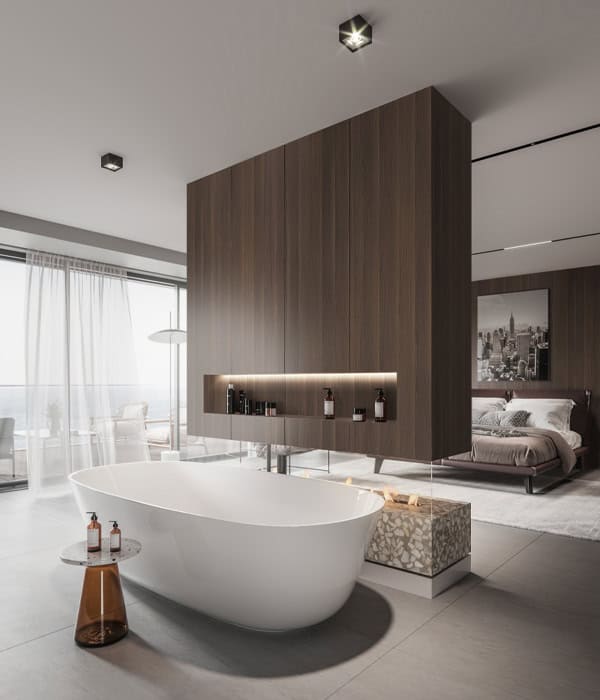
The choice of surface materials has a major impact on the outcome of interior design projects, but traditional solutions often limit creativity. SIBU polystyrene sheets bring a completely new approach to the market, combining lightness and durability with unique design possibilities. These innovative panels are ideal for both commercial and private spaces, offering designers freedom that other materials cannot. In this article, we will go through the key features, applications and installation instructions of SIBU polystyrene sheets for professionals.
What are SIBU polystyrene sheets and why they are revolutionising surface design
SIBU polystyrene sheets represent a new generation of surface material that combines the lightness and formability of polystyrene with high quality. SIBU Design has developed these boards to meet the needs of today's designers to create spectacular surfaces without the limitations of traditional materials.
The uniqueness of the plates lies in their structure. Unlike traditional laminates or wood panels, SIBU polystyrene panels are much lighter and easier to work with. At the same time, they retain sufficient strength and durability for demanding applications. The flexibility of the material also allows curved surfaces to be created, opening up completely new design possibilities.
The boards are manufactured using advanced production techniques that guarantee a consistent quality result. Surface treatment options are versatile, and SIBU design sheets offer countless colour and texture options for different projects.
Technical properties and durability of polystyrene sheets in practice
The technical performance of SIBU polystyrene sheets exceeds that of many other surface materials. Impact resistance is excellent compared to the light weight of the disc. The material is more resistant to everyday bumps and scratches than you might expect.
Moisture resistance makes the panels suitable for wet areas, when installed correctly. UV resistance ensures that colours remain bright even in sunlight. Temperature resistance is sufficient for normal indoor conditions and the material does not suffer from normal temperature fluctuations.
Cleanability is one of the strengths of SIBU polystyrene sheets. The smooth surface does not collect dirt easily, and the use of ordinary cleaning products is safe. This makes the material particularly suitable for public spaces where hygiene requirements are stringent.
Compared to traditional laminates, SIBU design panels offer better workability and ease of installation. The material does not crack easily when sawn and does not require special tools.
Applications in interior design and architecture
The versatility of SIBU polystyrene sheets is reflected in a wide range of applications. On wall surfaces, the panels create spectacular effect walls that completely change the atmosphere of a room. For roof surfaces, lightness is a major advantage, as the material does not put a strain on the structure.
In the furniture industry, SIBU polystyrene sheets are ideal for door surfaces and drawer fronts. The machinability of the material facilitates the manufacturing process and the end result is visually impressive.
In commercial spaces, panels are often used in shop windows and shop fittings. The material allows the use of bold shapes and colours without worrying about excessive weight or installation complexity.
In public spaces such as offices, hotels and restaurants, SIBU polystyrene sheets offer a durable and easy-to-clean solution. Their acoustic properties can also enhance the comfort of the premises.
In private homes, panels are particularly suitable for spaces where you want to create personal touches. Bathrooms, hallways and bedroom accent walls are popular applications.
Installation and working instructions for professionals
The installation of SIBU polystyrene sheets requires careful planning, but the process is relatively simple with the right tools. The tools you need include a fine-edged circular saw, a drill-screwdriver and measuring tools.
The method of attachment depends on the substrate and the application. In dry indoor environments, screw fixing is usually sufficient. In wet areas, the use of water-resistant adhesives is recommended in addition to screw fixings. The fixing spacing should be kept at 300-400 mm to ensure even adhesion.
Surgical techniques are important for a quality result. Material is cut cleanly when a sharp saw blade and moderate feed speed are used. Finish the edges with fine sandpaper or a file.
The most common installation problems are related to uneven fixing and incorrect working temperature. The material works best at room temperature, and can become more brittle when cold. Over-tightened screws can cause cracks, so the clamping force should be adjusted to suit the material.
Contact our experts for material selection
SIBU polystyrene sheets are best selected and used with the support of an expert. Every project is different, and making the most of the material's properties requires experience and technical know-how.
We offer comprehensive support from the design phase through to implementation. We help you choose the right SIBU design panels for your project requirements and give you practical advice on installation. Our extensive experience with surface materials helps you avoid common pitfalls and ensure a high quality finish.
Our personalised service means you get the right solutions for your project. Whether it's a small interior design project or a large-scale commercial project, contact us, and together we will find the best material options for your needs.
SIBU polystyrene sheets represent the surface materials of the future, combining lightness, durability and design possibilities in a unique way. Correctly selected and installed, they offer a long-lasting and visually stunning solution for a wide range of spaces.
