
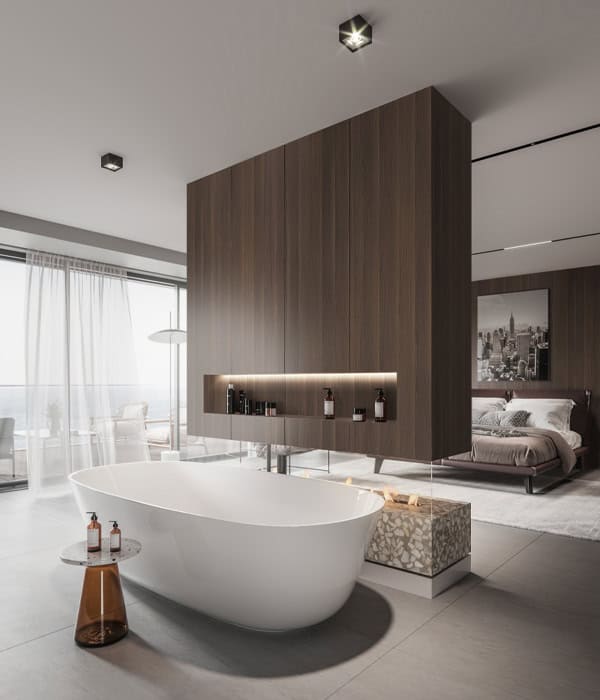
The choice of materials used in interior design projects has a significant impact on the aesthetics and functionality of the final result. SIBU polystyrene sheets offer a versatile alternative to traditional surface materials, combining lightness, workability and durability. These designer panels are ideal for both commercial and residential interior design projects where the aim is to create spectacular surface solutions without the need for heavy weight or complex installation. In this article, we will go through the features, applications and practical installation instructions of SIBU polystyrene sheets so that you can make the most of these innovative materials in your own projects.
What SIBU polystyrene sheets are and what they are used for
SIBU polystyrene sheets are lightweight, moulded surface materials made from high quality polystyrene. Their construction is based on foam technology, which makes them significantly lighter than traditional wood or metal panels, while maintaining sufficient strength for interior applications.
Material from surface treatments range from smooth to textured surfaces, with a wide range of colour and pattern options available. The polystyrene structure allows for precise detailing, making SIBU design panels a popular choice for architects and interior designers.
The most common applications include wall panels, ceiling cladding, furniture facades and partition walls. In the commercial sector, SIBU panels are often used in restaurant, hotel and office interiors, while in private homes they are suitable for finishing bedrooms, living rooms and bathrooms.
Advantages of SIBU panels compared to other interior materials
Compared to traditional surface materials, SIBU polystyrene sheets offer several practical advantages. Lightweight construction significantly facilitates transport and installation. A single panel weighs a fraction of the weight of an equivalent sized wooden panel, reducing the load on the structure and speeding up installation.
Cost-effectiveness is reflected in both material costs and labour time. Polystyrene sheets are often cheaper than solid wood or metal panels, and require fewer special tools to machine. Ordinary woodworking tools go a long way.
Versatility is another major advantage. SIBU sheets can be cut, bent and shaped as required. They are more resistant to moisture than many wood-based materials, which extends the range of applications to wet areas. The choice of finishes allows almost unlimited design freedom.
The most popular types of SIBU boards and their applications
The range of SIBU design tiles is divided into several main categories, each of which is best suited to specific applications. SIBU offers a variety of surface textures and designs for different purposes.
Textured surfaces are popular for wall panels and accent walls. These designs create interesting light and shadow effects that add depth to a space. Coarser textures are suitable for public spaces, while finer surfaces work well in residential spaces.
Smooth surfaces, on the other hand, are well suited for furniture facades and cabinet doors. They are easier to clean and offer a modern, minimalist look. Metallic and glossy surfaces are often used for details and accents.
The patterned SIBU polystyrene sheets allow for bold design solutions. Geometric patterns suit contemporary spaces, while organic shapes bring softness to the interior. The colour palette ranges from neutral tones through bright colours to metallic finishes.
Installation and working instructions for SIBU polystyrene sheets
SIBU panels can be installed with basic tools, but careful planning will ensure the best results. Cutting can be done with a sharp knife, a scythe or an electric saw. Use a fine-toothed blade to keep the edges neat.
Suitable adhesives, double-sided tapes or mechanical fasteners depending on the substrate and application. Flat surfaces, such as plasterboard walls, are well suited to adhesive bonding. For more uneven surfaces, mechanical fixing is recommended.
The most common installation errors are related to working too fast and failing to take accurate measurements. Always measure twice before cutting. Leave small gaps between plates for thermal expansion. Do not overtighten screws, as polystyrene can crack.
It is advisable to use a slightly blunter blade than for harder materials to avoid tearing the surface. Dedusting is important as polystyrene particles can interfere with successful bonding.
Contact our experts for material selection
The choice and use of SIBU polystyrene sheets often requires project-specific consideration. Each interior design project is unique, and the choice of the right type of board and installation method will have a significant impact on the final result and durability.
We provide expert advice on material selection and technical support throughout the project. Contact us, we will help you find the right SIBU design sheets for your project and give you practical tips on how to make the most of them.
We offer a comprehensive support service from the design phase to implementation. Our long experience in surface materials will help you avoid the most common pitfalls and achieve the best possible outcome for your projects.
