
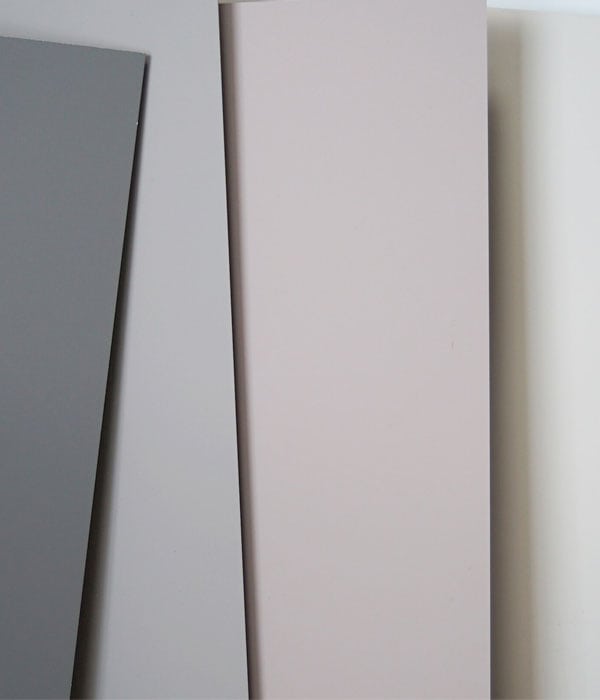
The use of high-pressure laminates in outdoor applications has increased significantly in recent years. The versatility and durability of the material make it an attractive alternative for facades, terrace structures and outdoor furniture. However, outdoor use places special demands on the materials.
Weather conditions, UV radiation and temperature fluctuations challenge the durability of high pressure laminates in a way that is not experienced indoors. The right choice of materials, installation techniques and maintenance practices will determine how well a laminate will retain its appearance and functionality over the years.
We will go through the most important things you need to consider when planning to use high-pressure laminates in outdoor environments.
What makes high-pressure laminate weatherproof?
High pressure laminate floor structure is the key to its outdoor durability. The material consists of several layers that are pressed together under high pressure and temperature. The top layer contains UV protection, which prevents sunlight from fading the colours and weakening the structure.
The resins and fibres used in the manufacturing process create a dense structure that effectively repels moisture. This moisture resistance is particularly important for outdoor use, as it prevents swelling and deformation of the material.
The material's resistance to temperature fluctuations is based on its uniform structure and low coefficient of thermal expansion. High-quality high-pressure laminates for outdoor use can withstand temperatures from -40°C to +80°C without significant deformation.
The surface treatment has a significant impact on weather resistance. Textured surfaces hide small scratches better than smooth surfaces and retain their appearance longer in outdoor conditions.
Choosing the right laminate for outdoor use
High-pressure laminates suitable for outdoor use are marked with special with quality ratings. Look for labels such as ”exterior grade” or ”weather resistant”. These products suitable for outdoor use is tested to withstand UV radiation, humidity and temperature fluctuations.
The thickness of the material has a direct impact on durability. For exterior use, laminates at least 0.9 mm thick are recommended, but for more demanding applications, 1.3 mm or thicker is a safer choice.
The choice of surface treatment depends on the application:
- Matt surfaces effectively hide dirt and scratches
- Textured surfaces offer better grip in the wet
- Shiny surfaces are easier to clean, but show wear more clearly
When choosing a colour, go for lighter shades as they reflect heat better and are less likely to warm up in sunlight. Darker colours can heat up significantly, causing further thermal expansion.
Installation in outdoor conditions - common mistakes
The most common installation error is thermal expansion ignoring. High-pressure laminate expands as the temperature rises, and without adequate expansion joints, the material can distort or crack.
The anchorage must be flexible. Rigid fastening methods prevent the natural movement of the material and cause stresses to build up. Use fixing holes that are slightly larger than the screws to allow the material to move.
Sealing requires special attention for outdoor use. Use weather-resistant sealants that retain their flexibility in temperature fluctuations. Poor sealing allows moisture to enter the structure and can cause damage.
The installation surface must be flat and dry. Uneven surfaces cause point loads that can lead to cracks. A damp substrate can cause condensation problems behind the laminate.
Edge treatment is a critical step. Open edges are susceptible to moisture and mechanical stress. Always use suitable edgebands or seal edges carefully.
Outdoor maintenance and upkeep
Regular cleaning is the basis for longevity. Wash surfaces at least twice a year with a mild detergent and water. Avoid abrasive cleaners that can damage the finish.
Snow and ice should be removed with care. Use plastic or wooden tools instead of metal ones. De-icing salts can be aggressive, so rinse surfaces with clean water after using salt.
Check the fastenings and seals annually. Temperature fluctuations can loosen fasteners and crack seals. Repair minor damage immediately before it becomes a major problem.
Surface restoration is possible for minor damage. Small scratches can be carefully sanded with fine sandpaper. Deeper damage usually requires the replacement of the entire panel.
Make sure that water is not allowed to stand on surfaces for long periods of time. Although high-pressure laminate resists moisture well, prolonged exposure to water can weaken edge seals.
Need help with your project?
Successful use of high pressure laminates outdoors requires careful planning and the right choice of materials. By taking these factors into account in your projects, you will achieve a durable and impressive result. We provide expert support on material selection and technical guidance to ensure your project is a success. Contact us, and we'll help you find the best solution for your needs.